

Tribalgh
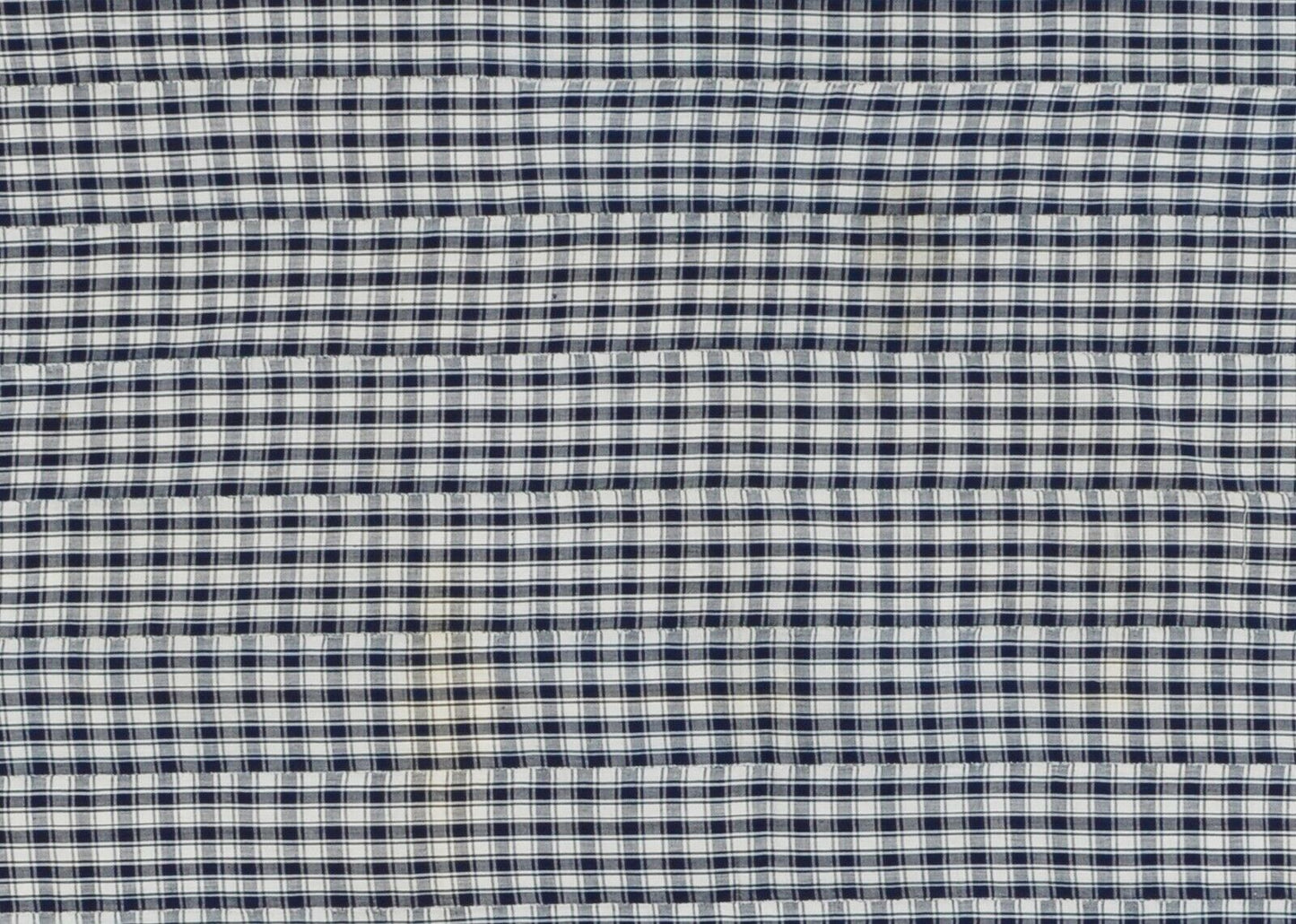
Handwoven Ashanti Kente Cloth 1970s – Woman Size 180×122 cm
Handwoven Ashanti Kente Cloth 1970s – Woman Size 180×122 cm
Item number:
SKU:SD-28514
Authentic Handwoven Ashanti Kente Cloth – Woman Size (1970s)
Presenting a rare Handwoven Ashanti Kente cloth, woven in Kumasi, Ghana during the 1970s. This ceremonial cloth, made for women, measures 71 ½″ × 48 ¼″ (180 cm × 122 cm) and remains in very good vintage condition, with minimal wear and original patina ideal for collectors or ceremonial use.
- Size: 71 ½″ × 48 ¼″ (180 cm × 122 cm)
- Era: 1970s
- Condition: Very good – slight stains and gentle wear from authentic use
Rich History & Cultural Meaning
This Ghana Ashanti Kente is more than fabric it’s a vibrant expression of Ashanti heritage, weaving together history, philosophy, ethics, and beliefs. Crafted by skilled artisans on traditional horizontal treadle looms, narrow strips are meticulously sewn to create larger ceremonial cloths. Depending on complexity, weaving a single cloth could take weeks or even months.
Each pattern carries a unique name and significance, while the colors convey symbolic meanings:
- Black: Maturation, intensified spiritual energy
- Blue: Peacefulness, love, harmony
- Gold/Yellow: Royalty, wealth, high social status
- Green: Growth, renewal, vitality
- Red: Political satire, sacrifice, struggle
- White: Purity, healing, sanctity
Materials & Weaving Techniques
Traditionally woven in cotton, this era cloth may also blend other natural fibers. More luxurious modern versions sometimes include rayon or silk, but vintage Ashanti versions typically showcase cotton’s earthy texture and durability.
Ashanti vs. Ewe Kente: What Sets Them Apart?
While both Ashanti and Ewe Kente share vibrant colors and complex patterns, Ashanti designs often favor bold, repetitive geometric patterns with historical or proverbs meanings. Ewe Kente tends toward delicate motifs and asymmetry with distinct weaving techniques. This cloth is a pure expression of Ashanti tradition.
The Legacy of Kente Cloth in Ghana
Originating in the 17th century under the Asante Kingdom, Kente has evolved from royal regalia to a symbol of national identity. Today it’s worn at weddings, state events, graduations and treasured by international collectors as a work of textile art. Whether used ceremonially or displayed, it stands as a powerful cultural heirloom.
This beautiful vintage piece can be worn, draped, or displayed perfect as a wall hanging, sofa throw, or ceremonial wrap. A timeless testament to craftsmanship, history, and West African artistic tradition.
Explore more exquisite handwoven Kente cloths:
Share