

Tribalgh
Antique Ashanti Akan Brass Goldweight – Lost Wax Geometric Design
Antique Ashanti Akan Brass Goldweight – Lost Wax Geometric Design
Item number:
SKU:SD-31096
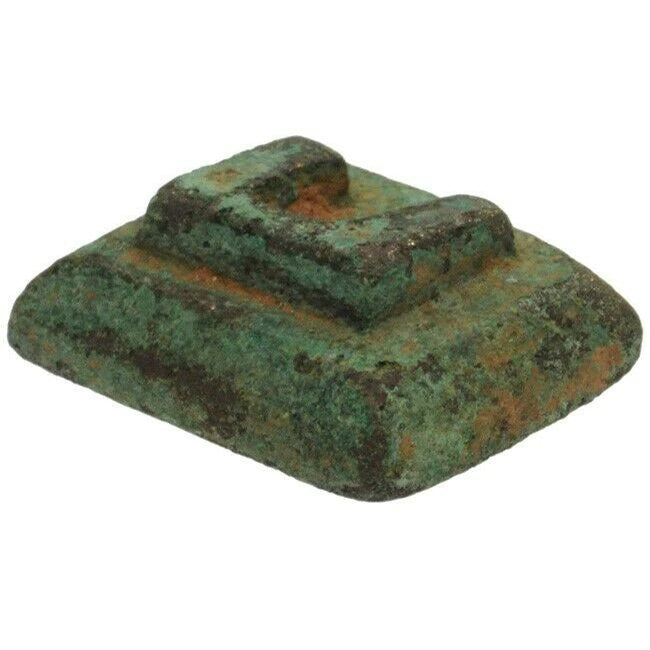
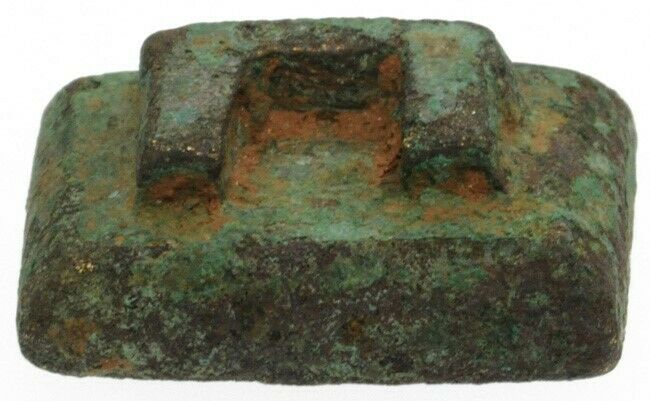
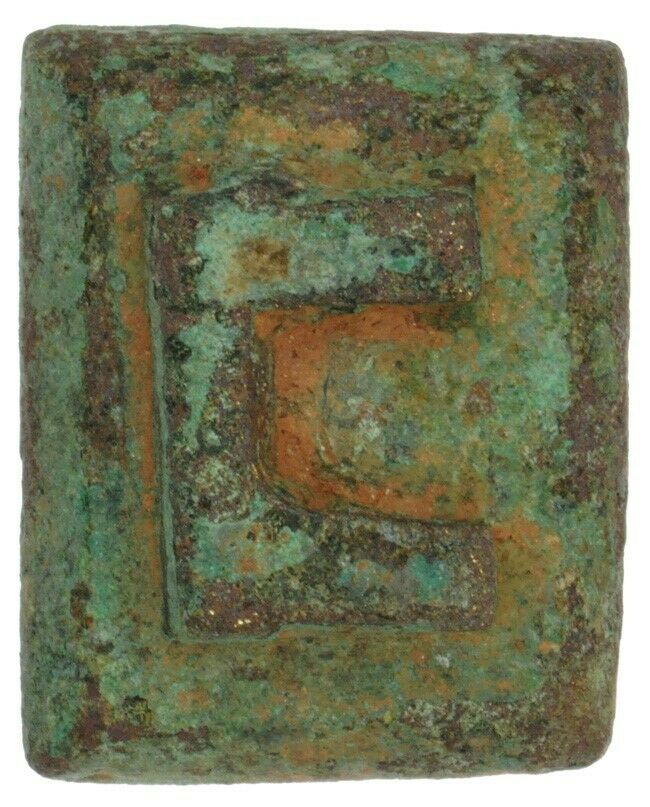
Antique 1800s Ashanti Akan Brass Goldweight – Geometric Design
Discover a rare and authentic piece of West African heritage with this antique Ashanti (Asante) goldweight, crafted in the 1800s using the traditional lost wax casting technique. This geometric brass weight exemplifies the precision and artistry of the Akan people of Ghana.
- Dimensions: 21 mm x 17 mm x 8 mm
- Weight: 15 grams
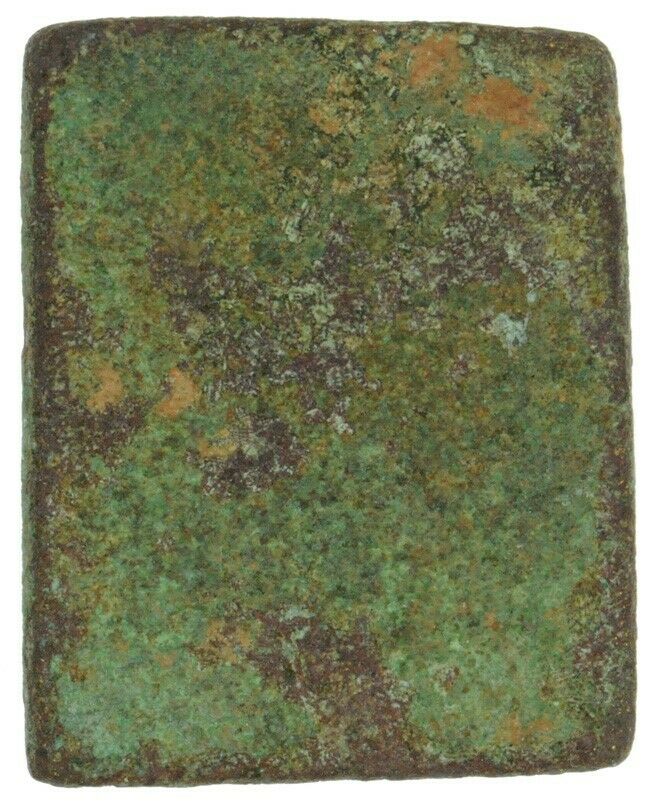
- Condition: Very good, with a rich dark patina and minor wear consistent with age and use
This weight features a classic geometric motif, characteristic of early Akan goldweights. The dark patina adds depth and authenticity, making it a valuable addition for collectors and enthusiasts of African art and history.
Historical Significance and Usage
In the Ashanti Empire, gold dust served as the primary currency. Transactions required precise measurements, achieved using standardized weights like this one. Both buyers and sellers carried their own sets of weights and scales to ensure fair trade. The use of goldweights was integral to the economic and social fabric of Akan society, reflecting a sophisticated understanding of commerce and value.
Beyond their practical application, goldweights often held symbolic meanings, representing proverbs, stories, and cultural values. They were not merely tools but also expressions of identity and status within the community.
The Lost Wax Casting Technique
The lost wax method, or cire perdue, is an ancient metal casting process. Artisans sculpted a detailed model in wax, encased it in a clay mold, and then heated it to melt and drain the wax, leaving a cavity. Molten brass was then poured into this cavity to form the final piece. This technique allowed for intricate designs and was widely used by the Akan people to create goldweights, jewelry, and other ceremonial objects.
Each goldweight produced through this method is unique, bearing the individual touch of its creator. The precision required in both design and weight underscores the high level of craftsmanship achieved by Ashanti artisans.
For those interested in exploring more about the artistry and cultural significance of African brass work, consider visiting our collections:
Share