

Tribalgh
Antique Ashanti Shield Brass Goldweight – Lost Wax Akan Artifact
Antique Ashanti Shield Brass Goldweight – Lost Wax Akan Artifact
Item number:
SKU:SD-30791
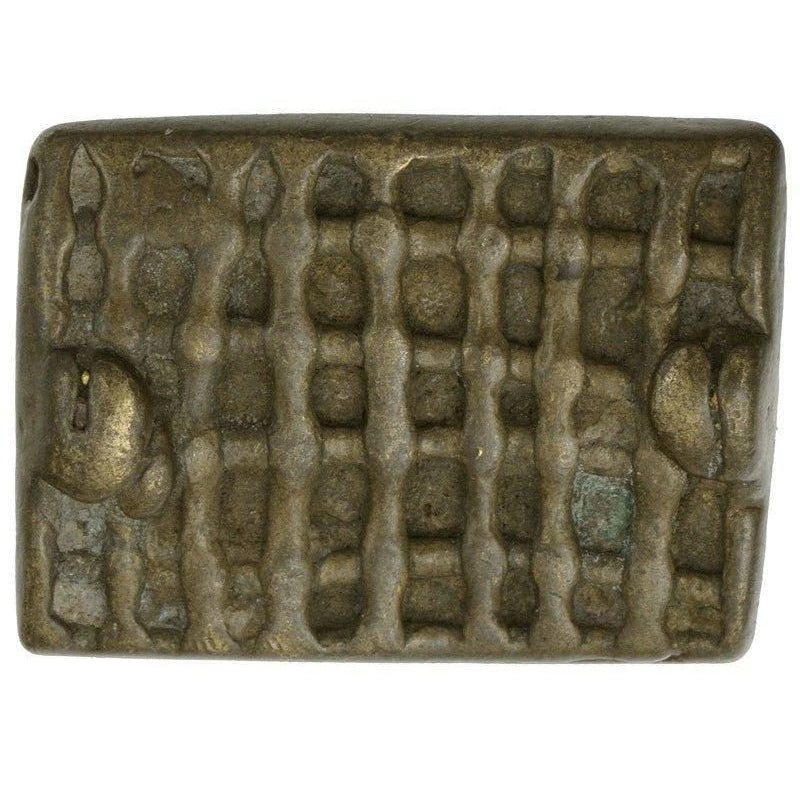
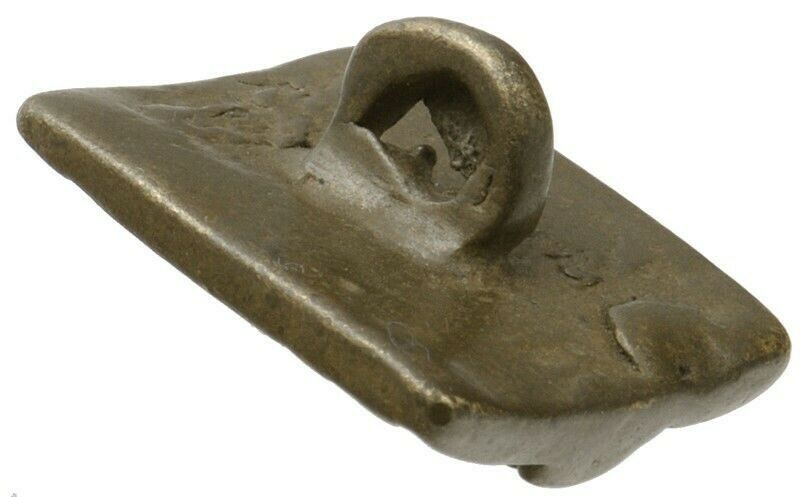
Antique Ashanti Shield-Shaped Brass Goldweight – Early 1900s
This exquisite antique Ashanti goldweight, dating back to the early 1900s, showcases the skilled craftsmanship of the Akan people of Ghana. Handcrafted using the traditional lost wax technique, this shield-shaped weight is a testament to the rich cultural heritage and artistic excellence of the Ashanti artisans.
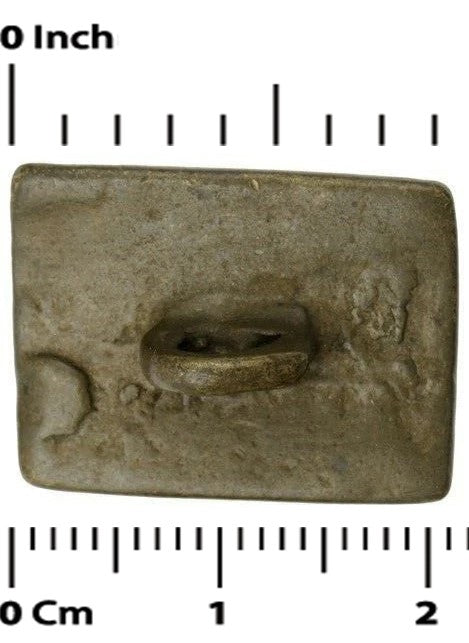
- Dimensions: Approximately 21mm x 15mm x 9mm
- Weight: Approximately 6.15 grams
The goldweight exhibits a beautiful patina, indicative of its age and use. While in very good condition, it bears minor damages and wear consistent with its historical usage.
Historical Significance and Usage
Among the Ashanti people, goldweights, known locally as mrammou or abrammuo, played a crucial role in daily commerce. These weights were used to measure gold dust, which served as the primary currency in the region from the 14th century until the introduction of British colonial currency in 1899. Each weight was part of a standardized system, ensuring fair trade and economic stability within and between communities.
The designs of these weights often held symbolic meanings, representing proverbs, historical events, or societal values. The shield shape of this particular weight may symbolize protection and strength, reflecting the values esteemed by the Ashanti people.
The Lost Wax Casting Technique
The lost wax method, or cire perdue, is an ancient metal casting technique that allows for intricate and detailed designs. Artisans would sculpt the desired design in wax, encase it in clay, and then heat the mold to melt and drain the wax, leaving a cavity into which molten brass was poured. Once cooled, the clay mold was broken away, revealing the final brass piece. This meticulous process ensured that each goldweight was unique, embodying both artistic expression and functional precision.
Explore More from TribalGH
Discover additional handcrafted pieces that reflect the rich traditions of West African artistry:
Share