

Tribalgh
Vintage Ashanti Akan Brass Goldweight – Lost Wax Geometric Design
Vintage Ashanti Akan Brass Goldweight – Lost Wax Geometric Design
Item number:
SKU:SD-30912
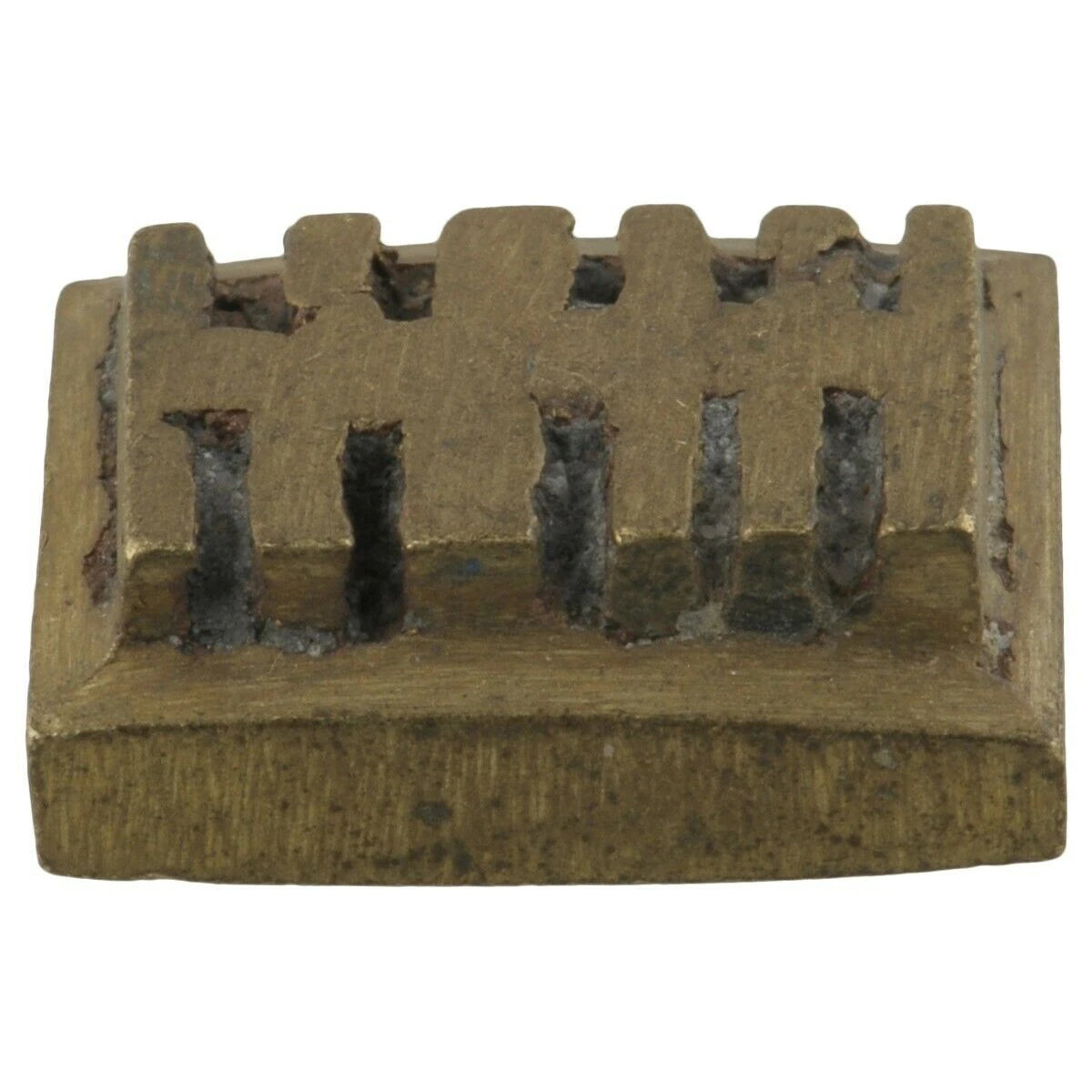
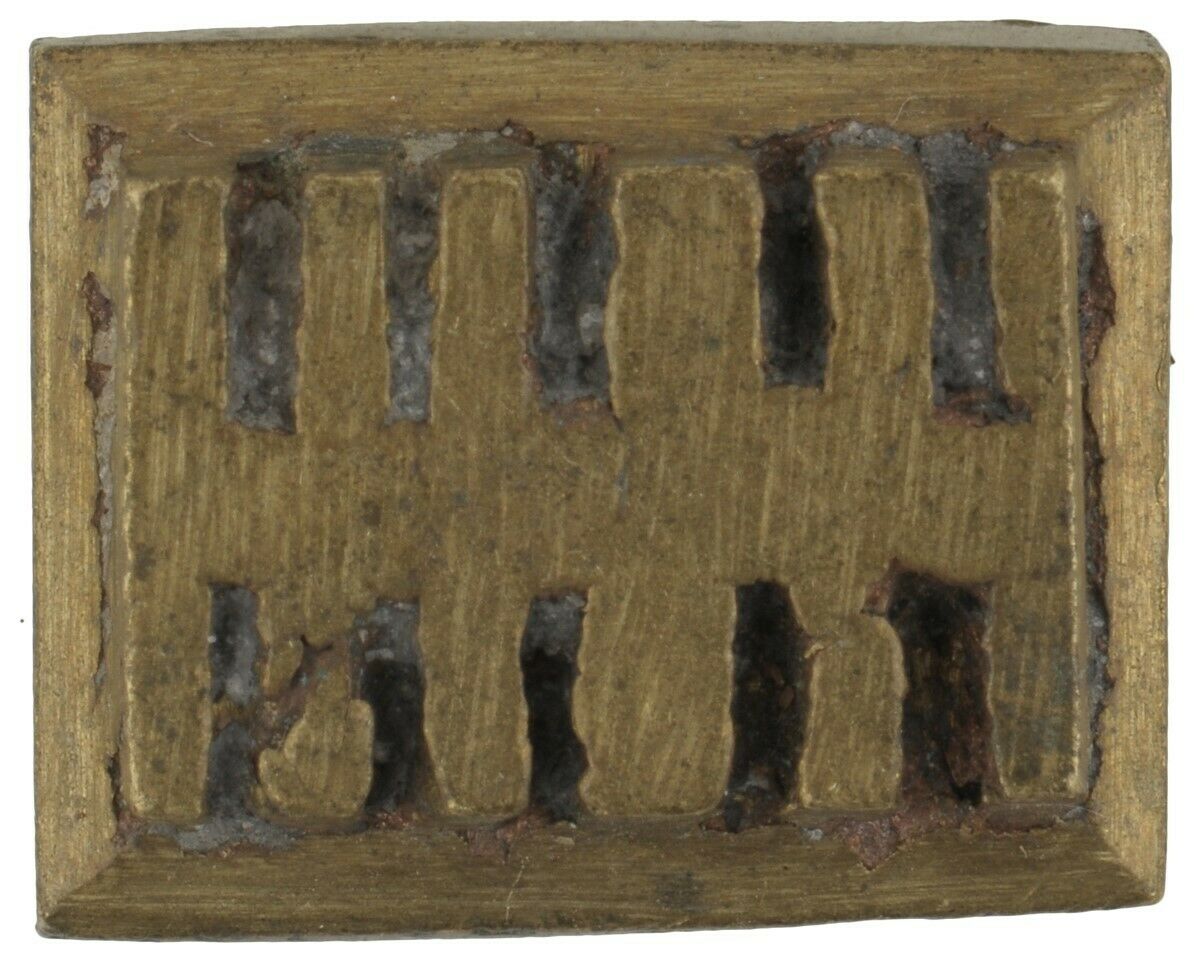
Antique Mid-1900s Ashanti Akan Brass Goldweight – Geometric Lost Wax Artifact
This authentic Ashanti Akan goldweight, crafted in the mid-20th century, exemplifies the rich cultural heritage of Ghana's Ashanti people. Meticulously made using the ancient lost wax casting technique, this brass artifact showcases a geometric design, reflecting the artistry and symbolism inherent in Ashanti craftsmanship.
Dimensions:
- Length: 15 mm
- Width: 12 mm
- Height: 5 mm
- Weight: Approximately 7.1 grams
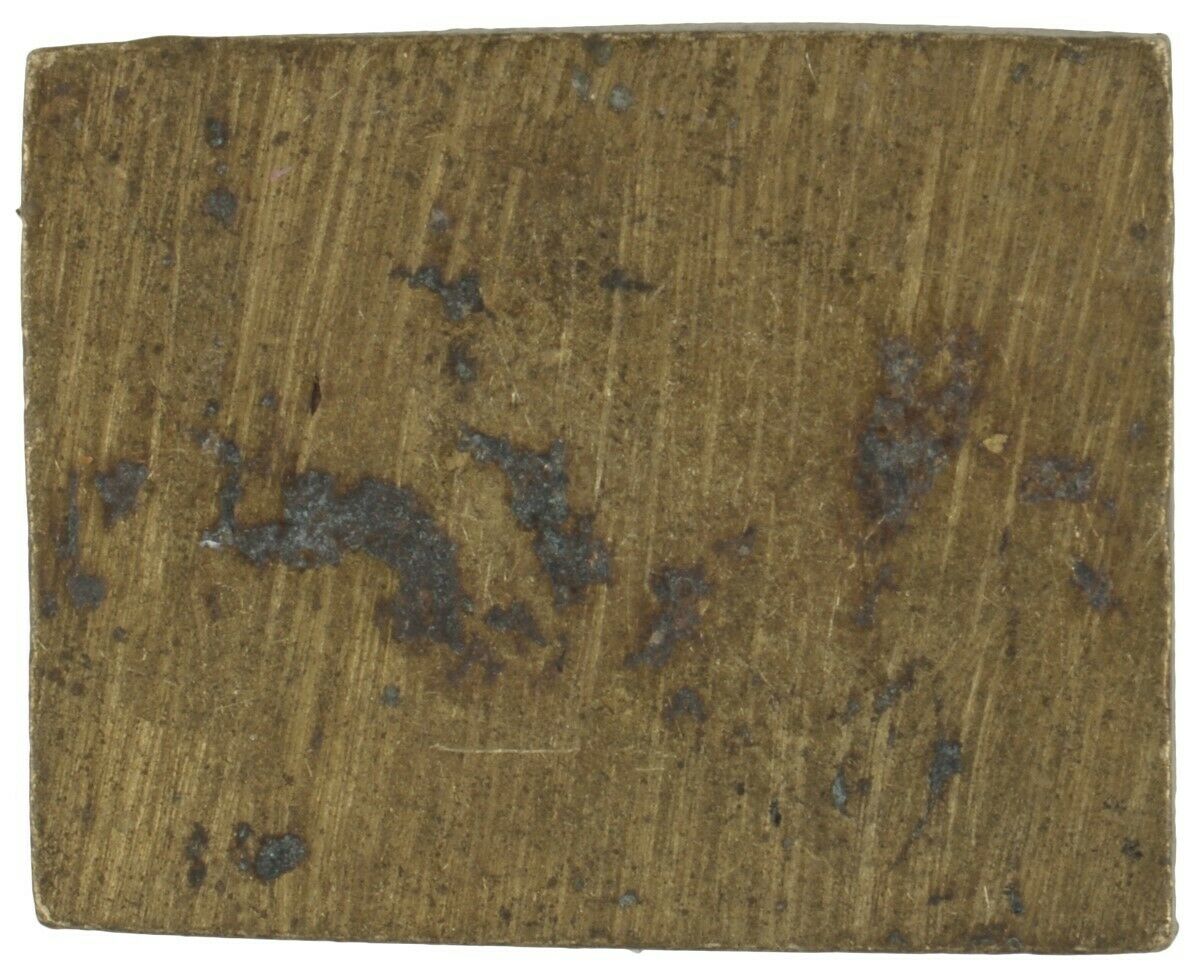
Despite its age, this goldweight remains in very good condition, bearing minor wear that attests to its historical use and significance.
Historical and Cultural Significance
In the Ashanti Empire, gold dust served as the primary currency, necessitating precise measurement tools for trade. Goldweights like this one were essential for ensuring fair transactions, with both buyers and sellers relying on their own sets to measure gold dust accurately.
Beyond their practical function, these weights often embodied cultural narratives, proverbs, and societal values. Geometric designs, such as the one featured here, are among the earliest forms, dating back to the 15th century, and were integral in conveying complex ideas and stories within the community.
The Lost Wax Casting Technique
The lost wax method, or "cire perdue," is a time-honored casting process that involves creating a detailed wax model of the desired object. This model is then encased in a clay mold, which, once heated, allows the wax to melt and be replaced by molten metal in this case, brass. After cooling, the mold is broken to reveal the final cast piece. This technique enables the creation of intricate and unique designs, each with its own distinct character.
This particular goldweight stands as a testament to the Ashanti people's ingenuity and artistic expression, encapsulating a rich history of trade, culture, and craftsmanship.
For collectors and enthusiasts interested in exploring more artifacts crafted using the lost wax technique, consider browsing our curated selections:
Share